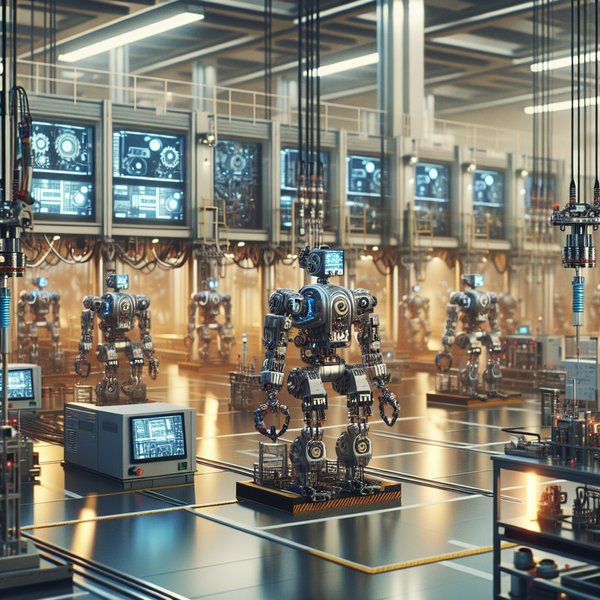
Tesla has revealed its plans to showcase its humanoid robot, Optimus, also known as Tesla Bot, at the upcoming fifth China International Import Expo taking place in Shanghai from November 5 to 10. The event will also mark the debut of Tesla’s energy architecture, gigafactory, and their popular S3XY lineup of car models. Notably, the unveiling of the Model S Plaid and Model X Plaid is expected to draw considerable attention.
Optimus is equipped with advanced computer vision technology, akin to the one used in Tesla vehicles. Its cognitive functions, decision-making processes, and communication capabilities are powered by the same chip found in Tesla cars. Additionally, it features a Full Self-Driving (FSD) computer similar to Tesla vehicles and employs Autopilot-related neural network technology. Tesla’s CEO, Elon Musk, has hinted at the possibility of the robot entering production by 2023, projecting that its economic value could surpass that of Tesla’s automotive revenue. The announcement of the robot had garnered immense interest upon its release.
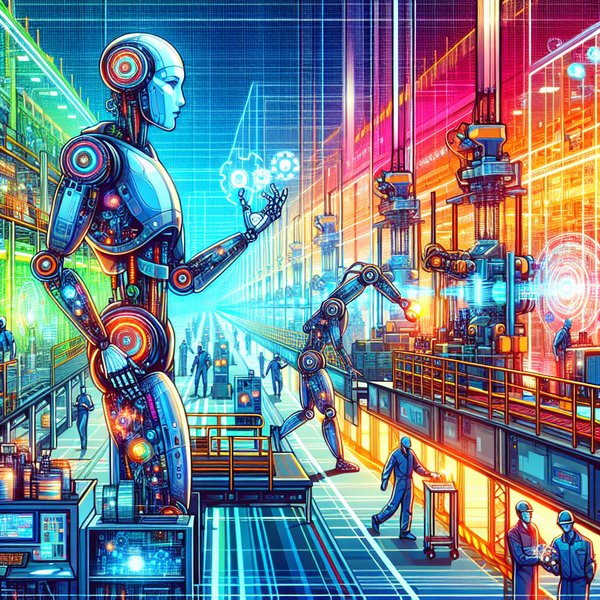
The significance of robots in the manufacturing sector is undeniable, often symbolizing a nation’s innovation prowess and advanced manufacturing capabilities. Humanoid robots are especially challenging to develop, considered the pinnacle of artificial intelligence. They are also highly coveted by financial institutions. China’s robot industry has witnessed substantial investment, with over 80 disclosed financing deals and a total funding exceeding 5 billion yuan ($688.9 million) in the first half of 2022.
Several prominent investors, including Hillhouse Capital, Sequoia Capital, and Xiaomi CEO Lei Jun, have ventured into humanoid robot development. The competition extends beyond the automotive sector, with NEV companies, internet giants, and home appliance leaders exploring humanoid robots and related technologies. The China Robot Industry Development Report (2022) estimates the country’s robot market to reach $17.4 billion this year, with a projected average annual growth rate of 22% over the next five years.
In conclusion, the advancements in humanoid robots and their applications across various industries reflect the ongoing technological innovation and investment landscape in China. Stay tuned for more related updates from Pandaily, a Beijing-based tech media committed to providing insightful content on China’s dynamic technology sector.
About the Author