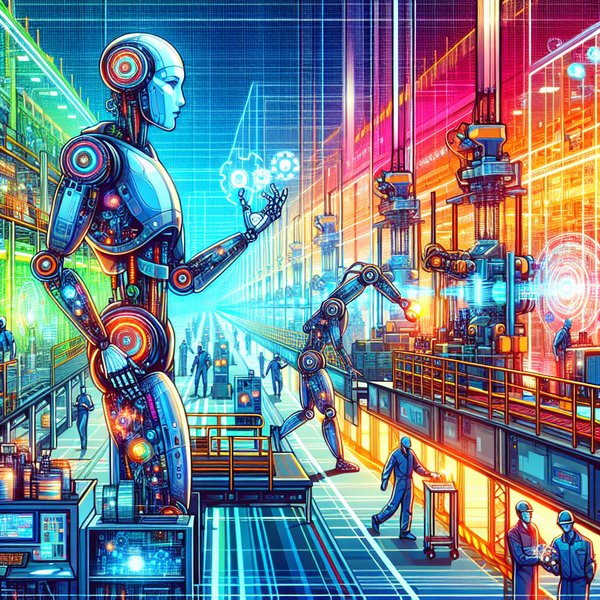
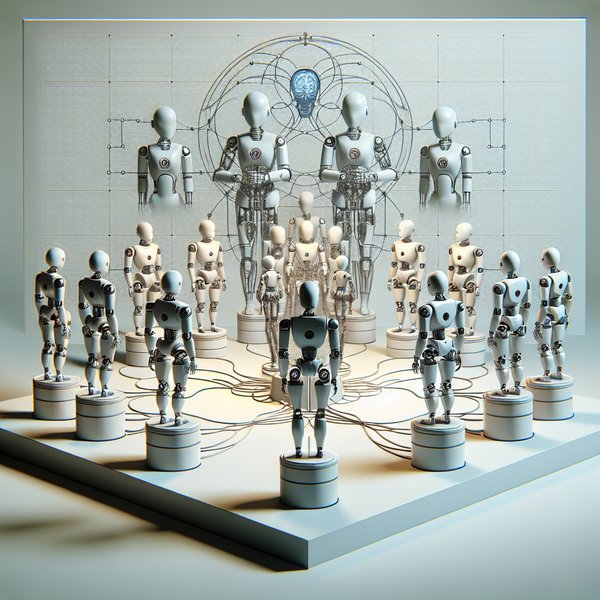
The world is abuzz with discussions about the transformative impact of artificial intelligence on various industries. ChatGPT has revolutionized marketing practices, heralding the beginning of a thrilling era in the field. General-purpose humanoid robots, a concept once relegated to the realms of science fiction, are now becoming a tangible reality thanks to the efforts of several pioneering AI robotics companies. This advancement is occurring at a faster pace than anticipated.
One notable player in this innovative landscape is AI robotics startup Figure, which is on a mission to develop the first commercially viable autonomous humanoid robot, named Figure 01. The unveiled images of Figure 01 suggest a remarkably human-like robot with the ability to perform a multitude of functions such as opening doors, using tools, lifting objects, and navigating stairs. This groundbreaking robot aims to streamline tasks traditionally carried out by humans across industries like manufacturing, logistics, warehousing, and retail.
Figure envisions deploying the initial batch of Figure 01 humanoid robots for testing purposes by 2024. The company, founded by Brett Adcock, a Co-Founder of Archer Aviation, has attracted a team of around 40 talented individuals with backgrounds from prominent companies including Apple, Tesla, and Boston Dynamics. By focusing on perfecting the design, training the robot for various tasks, and facilitating its integration into the workforce, Figure has outlined a clear roadmap for its future endeavors.
While Figure leads the charge in developing autonomous humanoid robots, companies like Tesla are also making significant advancements in this domain. Tesla’s Optimus robot, spearheaded by CEO Elon Musk, is a testament to the fast-paced evolution of robotics technology. Musk believes that Tesla’s expertise in real-world AI gives them a competitive edge and the potential to revolutionize industries beyond their automotive sector.
As the world edges closer to embracing autonomous humanoid robots into everyday life, the contributions of companies like Figure and Tesla are paving the way for this transformative change. With each passing day, the possibility of coexisting alongside humanoid robots becomes more tangible, thanks to the relentless innovation and progress in the field of robotics.
In conclusion, the development of humanoid robots represents a paradigm shift in various industries, promising increased efficiency and productivity. Startups like Figure and established companies like Tesla are at the forefront of this technological revolution, driving the advancement of AI and robotics towards a future where human-robot interaction will become more commonplace.
About the Author