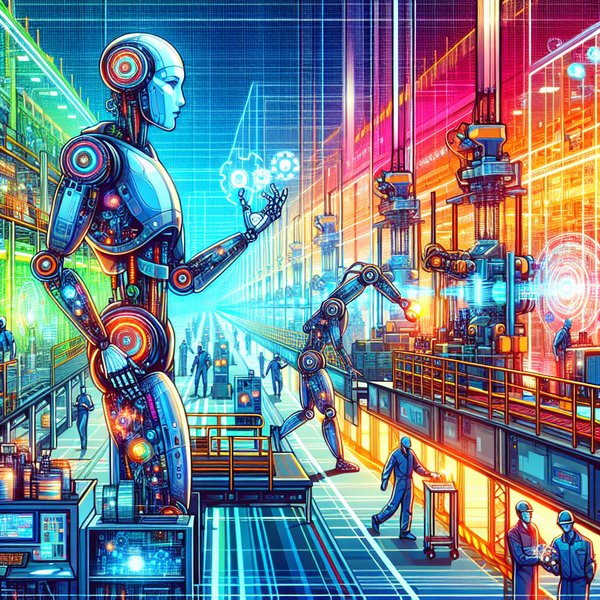
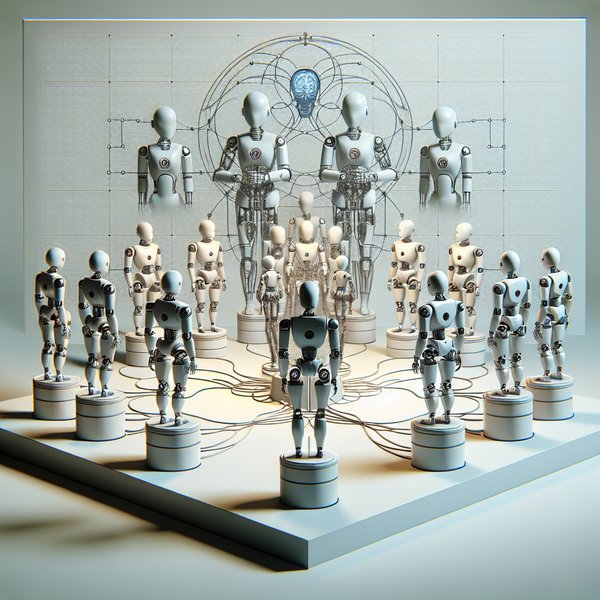
Humanoid robots were showcased at the World Artificial Intelligence Conference in Shanghai on July 7, with delegates from the city urging for accelerated industrialization in the field. Leveraging Shanghai’s expertise in artificial intelligence and robotics, experts believe the city is primed to spearhead the widespread use of humanoid robots throughout China.
To overcome current challenges faced by the industry such as a lack of essential components and reliance on imported parts, members of the Shanghai Committee of the Chinese People’s Political Consultative Conference have proposed the development of a high-end industrial chain. They emphasize the importance of fostering collaboration between industry, academia, and research institutions to achieve groundbreaking technological advancements.
The role of humanoid robots is seen as pivotal in various sectors including manufacturing, hazardous environments, healthcare, elderly care, and underwater research. These robots can significantly improve work efficiency in industrial settings by automating repetitive tasks requiring precision. In the medical field, they can assist surgeons in conducting intricate surgeries and even serve as prosthetic limbs for individuals with disabilities, enabling them to resume normal daily activities.
Shanghai has set a target to establish itself as a global hub for robotics innovation by 2023. This initiative includes the creation of top-tier robot brands, the demonstration of benchmark applications, and the expansion of related industries to a value of 100 billion yuan in the upcoming years.
Suggestions put forth by political advisers from various organizations in Shanghai include accelerating research and development in key areas such as motors, drivers, sensors, and controller chips for humanoid robots. Emphasis is also placed on closing the gap in quality and reliability between domestic and international products, particularly in motion control processing and decision-making algorithms for human-robot interaction.
Furthermore, proposals call for collaboration among enterprises to share resources and establish a centralized data bank containing vital information on robot functions and intelligence. By pooling resources to build a collective computing power center and enhancing learning models through multimodal approaches, organizations can effectively reduce research and development costs.
Political advisers underscore the importance of validating the capabilities and economic viability of humanoid robots across various scenarios. By identifying specific areas where these robots can make a substantive impact, businesses can align their technological developments accordingly. The roadmap for commercializing humanoid robots begins with niche applications before expanding into broader markets, transitioning from semi-automated tasks to offering comprehensive services in settings like households, offices, and care facilities.
In conclusion, humanoid robots hold immense potential in revolutionizing multiple industries and everyday life. With strategic planning and concerted efforts from various stakeholders, Shanghai is poised to lead the way in advancing the industrialization and application of humanoid robotics to drive innovation and efficiency in diverse sectors.
About the Author