Humanoid robots, once a fantastical feature of science fiction, are quickly becoming a reality. According to a recent Morgan Stanley report, it is predicted that by 2035, there will be 13 million humanoid robots in existence, with the number soaring to one billion by 2050. The era of walking, talking robots among us may arrive sooner than we think.
Significant advancements in robotics have led to the emergence of impressive and useful humanoid robots from leading AI companies worldwide. These machines mimic human anatomy to perform tasks that were previously exclusive to humans. Let’s explore some of these advanced humanoid robots that are already here or on the horizon.
One of the most well-known humanoid robots is Optimus by Tesla, standing approximately 5ft 8in tall and weighing 125 pounds. Designed to mimic human-like motion and equipped with tactile hands, Optimus can perform various tasks, from household chores to playing games. Although there have been criticisms regarding its AI-driven behavior during public demonstrations, its capabilities are indeed striking.
Atlas by Boston Dynamics is another humanoid robot that has amazed audiences with its agility and functionality. The latest All-New Atlas model is fully electric, offering improved control and durability. Similarly, Neo Gamma by 1X Technologies is a domestic robot specializing in chores like vacuuming and laundry folding, featuring a unique nylon fabric exterior for safety and aesthetics.
GR-2 by Fourier Intelligence is celebrated as the world’s first mass-produced humanoid robot, excelling in academic, industrial, and potentially caregiving settings. Meanwhile, H1 by Unitree set a Guinness World Record for its running speed and showcases a range of practical skills, including cooking and operating tools.
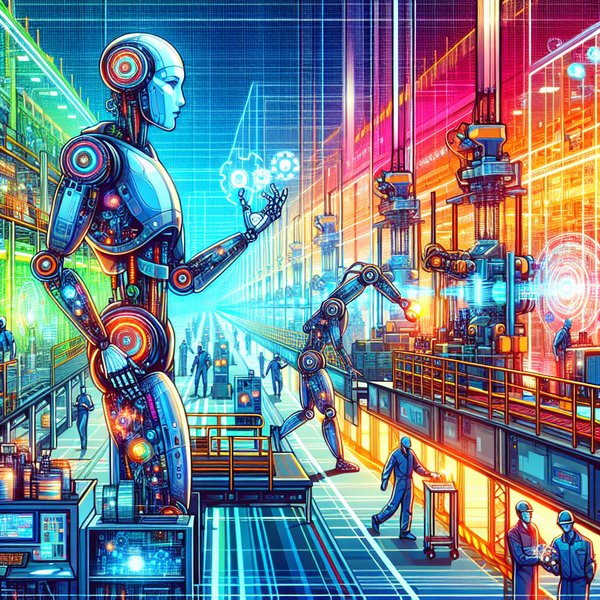
In industrial settings, humanoid robots like Figure 02 by Figure AI and Apollo by Apptronik have been deployed for tasks such as manufacturing and warehouse operations. Phoenix by Sanctuary AI stands out for its rapid learning abilities, making it suitable for diverse environments like retail stores.
Furthermore, Booster Robotics introduced football-playing humanoid robots that competed autonomously in matches, hinting at the exciting possibilities of robot-versus-robot competitions in the future. As these humanoid robots increasingly integrate into our daily lives as co-workers and companions, the boundary between sci-fi and reality is blurring rapidly.
The development of humanoid robots raises important questions about our readiness to embrace and coexist with these sophisticated machines. From factory assistance to sports competitions, these robots are redefining what is possible and challenging us to adapt to this new era of technological advancement.
About the Author